

Some campaigns stay with us for years. We remember the line, the image, the feeling. Others disappear the moment we scroll past them. The difference is rarely the budget. It is the strength of the concept behind the work.
A creative concept is the central idea that ties every ad, post, video and poster together. When it is right, everything you produce feels connected and the message lands faster. Here is how we build one.
1. Begin with a sharp brief
A great concept answers a specific problem. That is why we never start with ideas. We start with questions:
- What do we want people to think, feel or do after seeing the campaign?
- Who exactly are we talking to?
- What do they believe today, and what stops them from choosing us?
- What is the single most important thing to say?
The answers fit on one page. If the brief needs ten pages, the campaign will try to say ten things and people will remember none of them.
2. Find the insight
An insight is a human truth your audience recognizes immediately. It is the moment someone thinks “that is so true” before they even notice the brand. Insights come from listening: customer interviews, sales teams, reviews, social media conversations and a good dose of observation.
Facts tell people what you do. Insights show them that you understand them.
3. Explore several routes
Once the insight is clear, the team explores different ways to express it. We usually develop three routes:
- A safe route that is clear, solid and close to the category.
- A bold route that challenges expectations and takes a stronger position.
- An unexpected route that looks at the problem from a completely different angle.
Each route gets a short line, a few rough visuals and an example of how it would live on social media or outdoor. Seeing ideas in context makes decisions much easier than judging them in the abstract.
4. Test the idea against simple criteria
Before choosing, we check each route against a short list:
- Can it be explained in one sentence?
- Is it true to the brand and its identity?
- Does it answer the brief?
- Can it last for more than one season and stretch across channels?
- Would the audience notice it, and would they care?
5. Build the concept into a toolkit
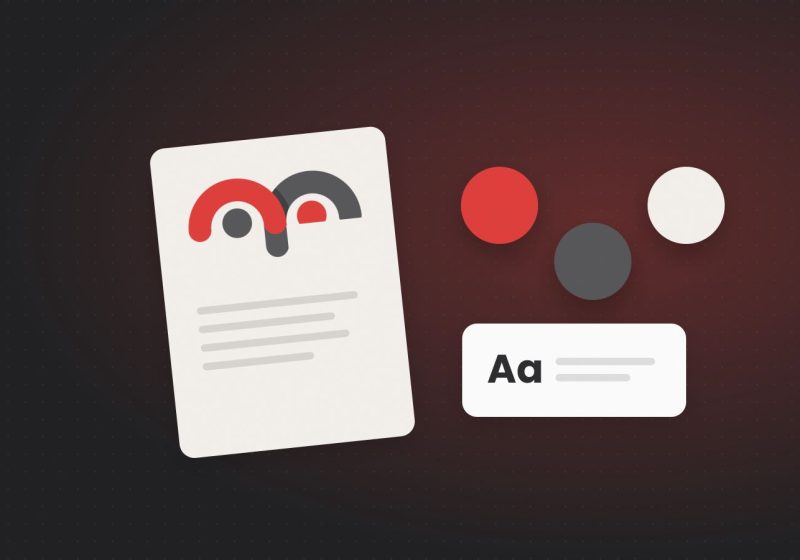
The chosen route then grows into a complete concept: a campaign name or tagline, a key visual, a tone of voice and examples across the main channels. We document it all in a short campaign guide so photographers, designers, media buyers and partners can bring it to life consistently.
6. Plan the roll out
A concept only works if people see it often enough. We plan how the idea will appear across touchpoints and over time: a teaser phase, the main launch and the follow up that keeps it alive. Paid media, social content, email, in store material and PR all play their part.
From there, data takes over. We watch which messages and formats perform best and adjust, without losing the central idea.
Common mistakes to avoid
- Jumping to execution before the idea is clear
- Trying to please everyone and ending up with something forgettable
- Changing the concept every month instead of giving it time to build recognition
- Forgetting that a concept must work on a small phone screen first
Let us find your big idea
Whether you are launching a product, opening a new venue or refreshing a campaign that no longer performs, a strong concept is the best place to start. Request a quotation and tell us about your next launch.